

Gaza and Global Neofascism
 Most of the recent electoral rounds in Western countries (lately in Norway and Germany) have yielded worrying results that confirm the rise of racist far-right forces. This buttresses the characterization of the era we live in as one comparable to the fascistic era between the two world wars of the past century, but in a new guise claiming to respect the democratic form of government, among other new features. Hence the labelling of these forces as neofascist (see “The Age of Neofascism and Its Distinctive Features”, 4 February 2025).
One of the most worrying characteristics of the current neofascist era is that it includes, in addition to the countries of continental Europe, the two Western countries that confronted the fascist axis in the last century in alliance with the Soviet Union: the United States and Britain. As the neofascist transformation of the US regime, overseen by Donald Trump and his acolytes, becomes more evident day after day, London witnessed last Saturday the largest rally organized by the far right in British history. This came against the backdrop of public opinion polls indicating that the far right, led by Nigel Farage, is leading the Labour and Conservative parties.

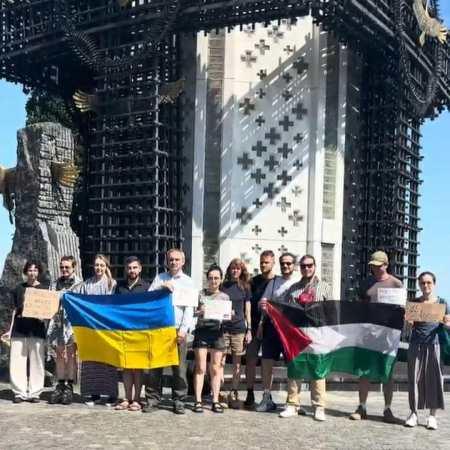


 What is driving neofascist movements to question, to varying degrees, the reality of climate change, or at least its connection to human behaviour?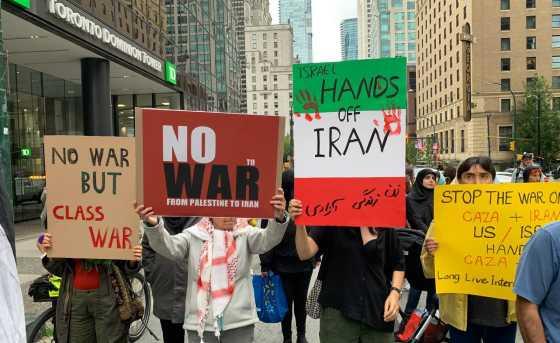
 The Syndicate of Workers of Tehran and Suburbs Bus Company, a member of the International Trade Union Solidarity and Struggle Network, is transmitting this text, signed with other independent organisations in Iran:
 Marxist scholar Michael Löwy, responding to Samuel Farber’s “In Defense of Progress” from the new issue of Jacobin, defends philosopher Walter Benjamin and argues that “progress,” as defined under capitalism, has come to threaten humanity’s very survival.
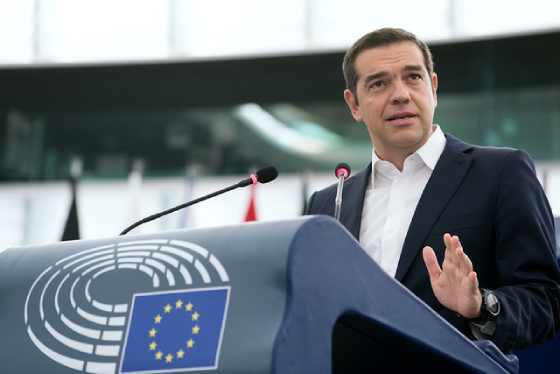
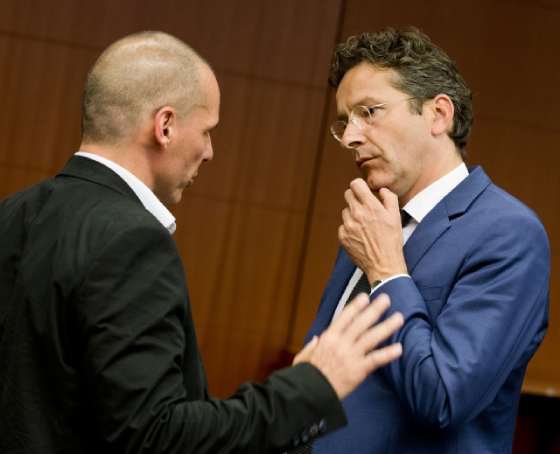
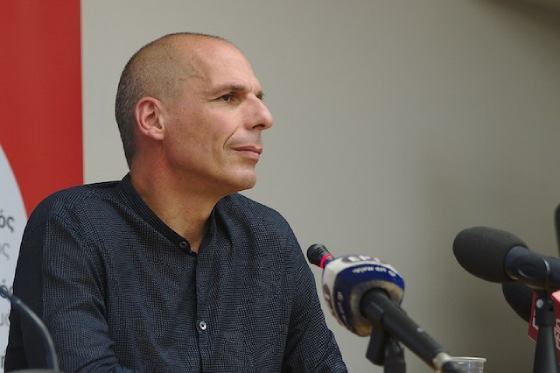
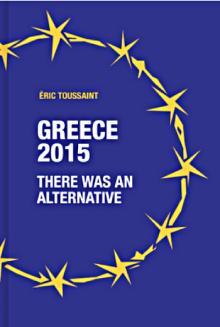 25 January 2015, at a time when Greece had been suffering since 2010 under the burden of a severe austerity regime forced on the country by its creditors and by the social-democrat (Pasok) and conservative (New Democracy) parties who have taken turns exercising power in the country, Syriza (an acronym whose Greek meaning is “coalition of the radical Left”) won the legislative elections in Greece, with 149 deputies out of a total 300. Lacking an absolute majority in the Hellenic Parliament, Syriza formed a coalition government with ANEL (a small “souverainist” right-wing organization which announced that like Syriza, its priority was to put an end to the austerity policies). Syriza’s leader, Alexis Tsipras, became prime minister and appointed Yanis Varoufakis, a left-leaning economist close to Syriza, his finance minister.