

Anti-War Playlist: Russian Music Against the War
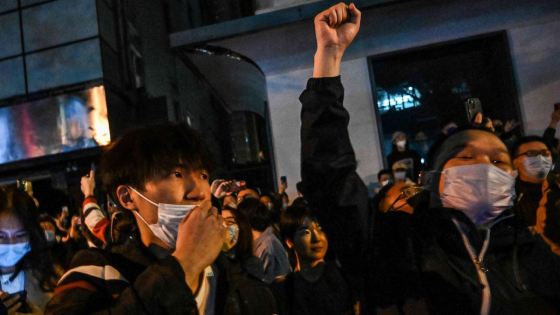
 Since Russia invaded Ukraine four months ago, over 16,000 people have been detained or arrested for protesting the war, the independent police-monitoring website OVD-info reports.
Despite the political crackdown, Russians are finding a way to voice their opinion. Many Russian-speaking musicians turn to allegories and melodies to express their anti-war positions.
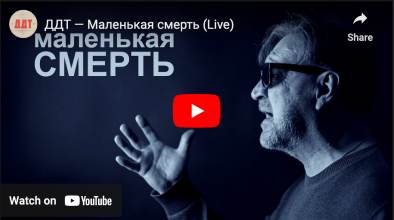
This playlist includes anti-war clips and songs Russian musicians made since their country invaded Ukraine.
Their concerts are now banned in Russia, St. Petersburg media outlet Fontanka reported Friday.
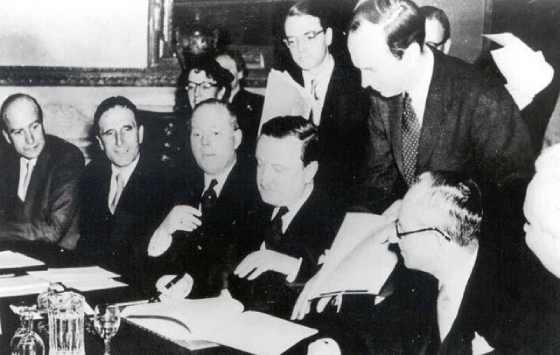

 According to a new report published by Oxfam, the richest 1 percent grabbed nearly two-thirds of all new wealth worth $42 trillion created since 2020, almost twice as much money as the bottom 99 percent of the world’s population, reveals a new Oxfam report today. During the past decade, the richest 1 percent had captured around half of all new wealth. .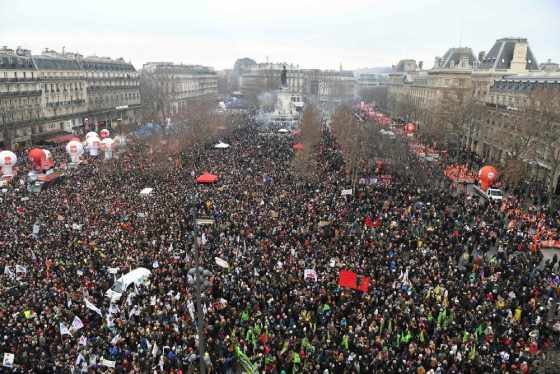
 Les chiffres de grève et de manifestations sont historiques, avec 1,2 million de manifestantEs selon la police, plus de deux millions selon l’intersyndicale, des taux de grève très importants (ainsi plus de 70 % dans l’éducation), des mobilisations massives dans les villes. 50 000 à Bordeaux et à Toulouse, 20 000 au Mans, 3500 à Alençon, 4000 à Compiègne, 20 000 à Nice, 7000 à Agen et Montauban, 4000 à Gap, 15 000 à Avignon, 50 000 à Nantes, 10 000 à Saint-Nazaire, 20 000 à Rouen, 35 000 au Havre, 15 000 à Bayonne et Pau, 13 000 à Quimper, 13 500 à Brest, 11 000 à Angoulême, 10 000 à Poitiers, 13 000 à Angers, et bien entendu plusieurs centaines de milliers à Paris (bien loin des 80 000 annoncés par le ministère de l’Intérieur)…




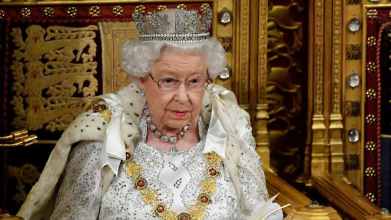 Les pornographes de l’émotion s’en donnent à cœur joie. En tête de gondole, les magazines « people » et toute la cohorte des médias qui prétendent encore faire œuvre d’information auprès du grand public. Logique. Vendre du papier et faire du chiffre en termes d’audience, leurs motivations se résument à cette trivialité.